Cinematic Stills
Editorial frames for a building nobody can photograph yet
Composed, lit and graded the way a magazine would shoot the finished place. Made entirely from the renders you already own.
Cinematic Stills
Composed, lit and graded the way a magazine would shoot the finished place. Made entirely from the renders you already own.
Why Cinematic Stills
A render set is usually finished long before the campaign is. By month three the same six images have been on every portal, every brochure and every broker's phone, and they have started to look tired.
A render answers a question: what will this look like. A still answers a different one: what will it feel like to be here. That second question is the one a buyer is actually asking, and it is a question of taste, not of software.
Every frame is directed. The hour of the day, where the camera stands, what falls out of focus, what the light does to the stone. One collection, one point of view, no stock-image sameness.
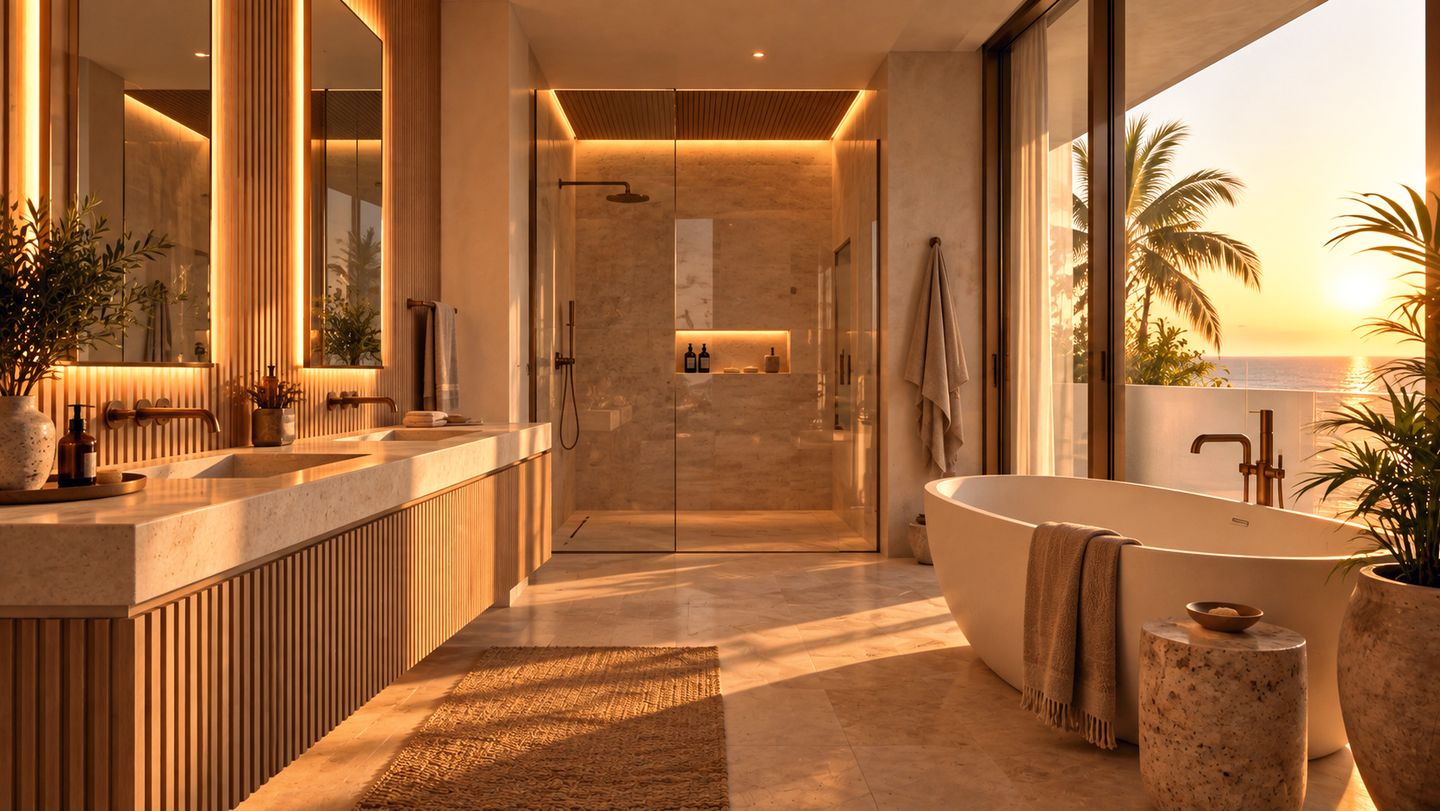
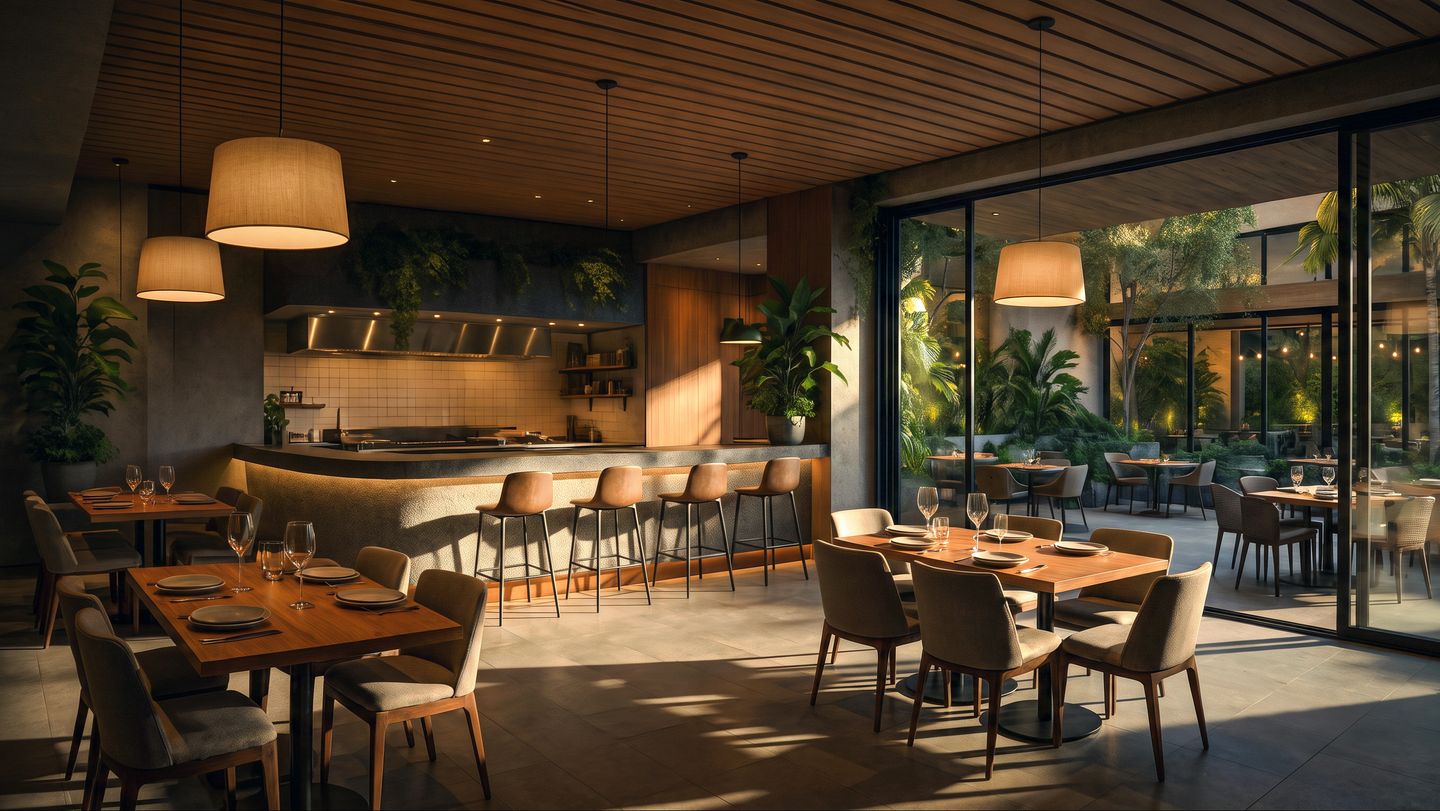
Without people
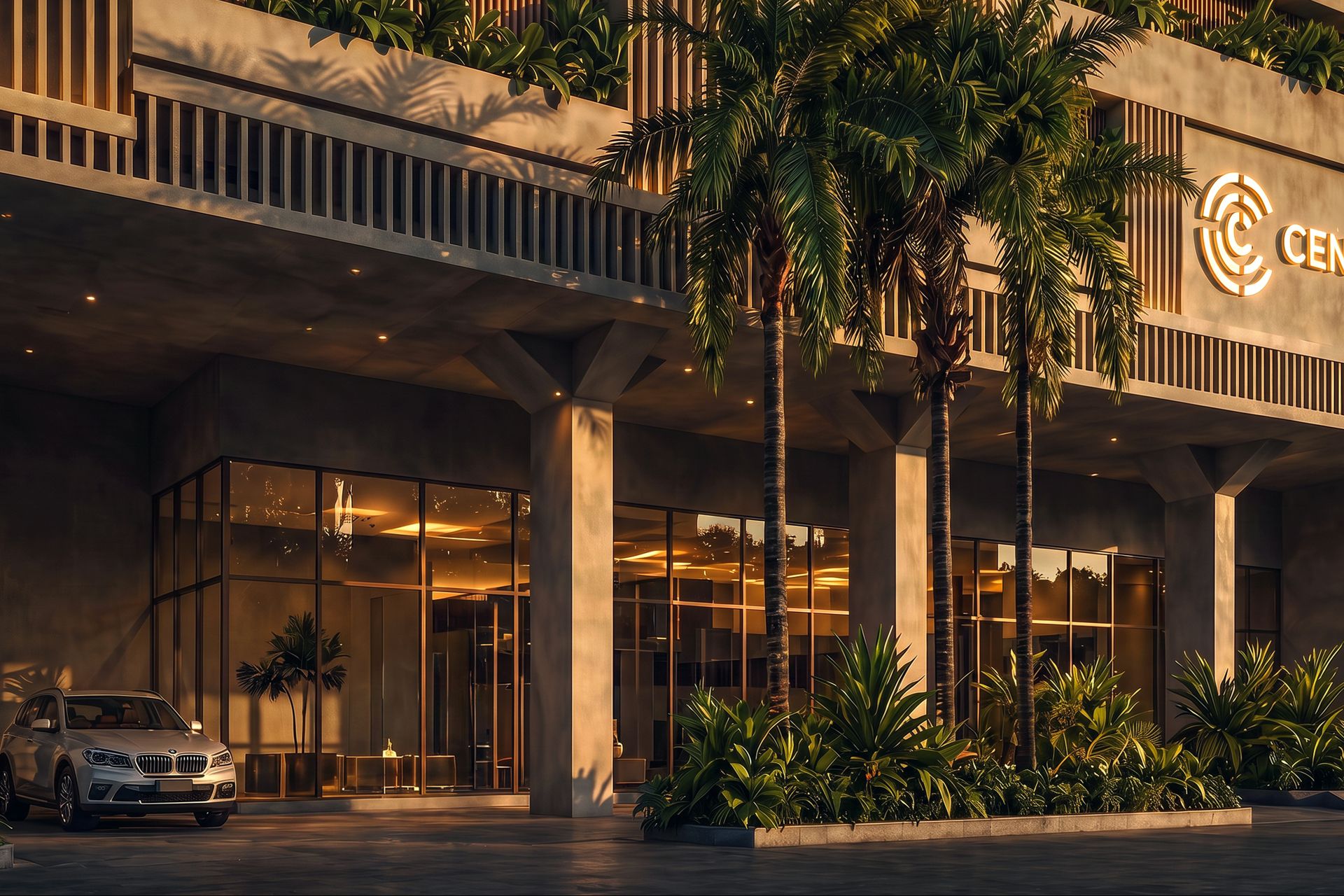
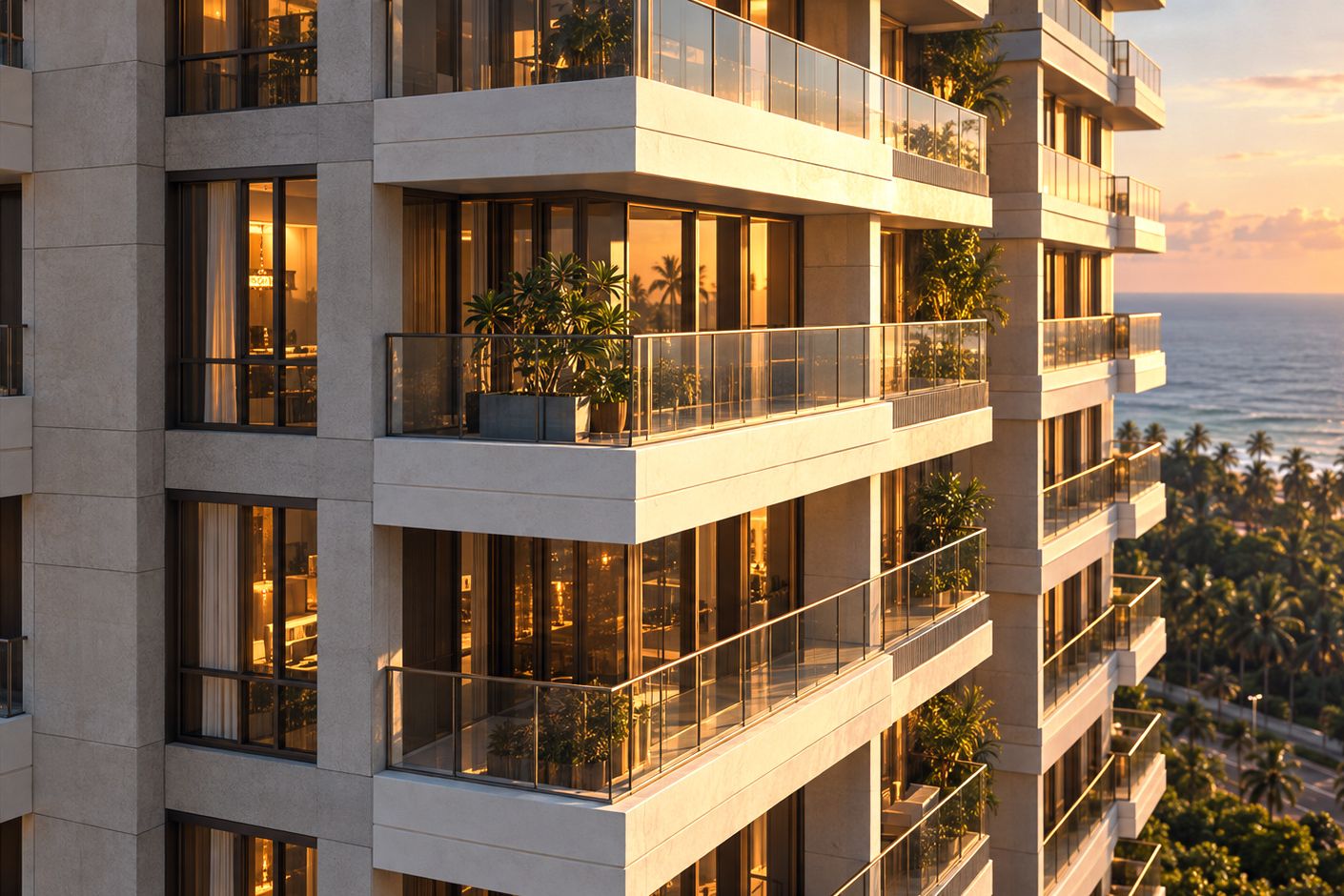
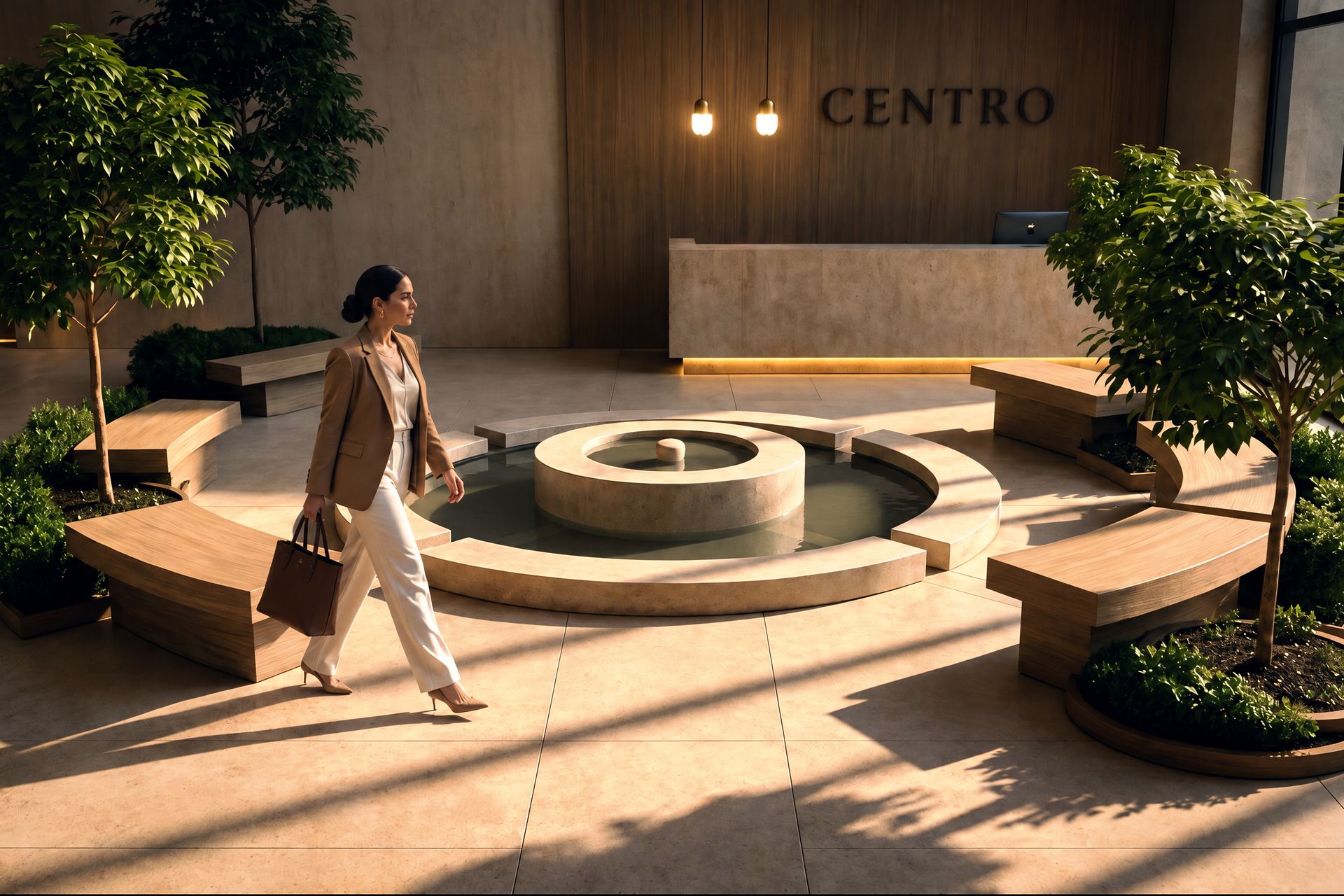
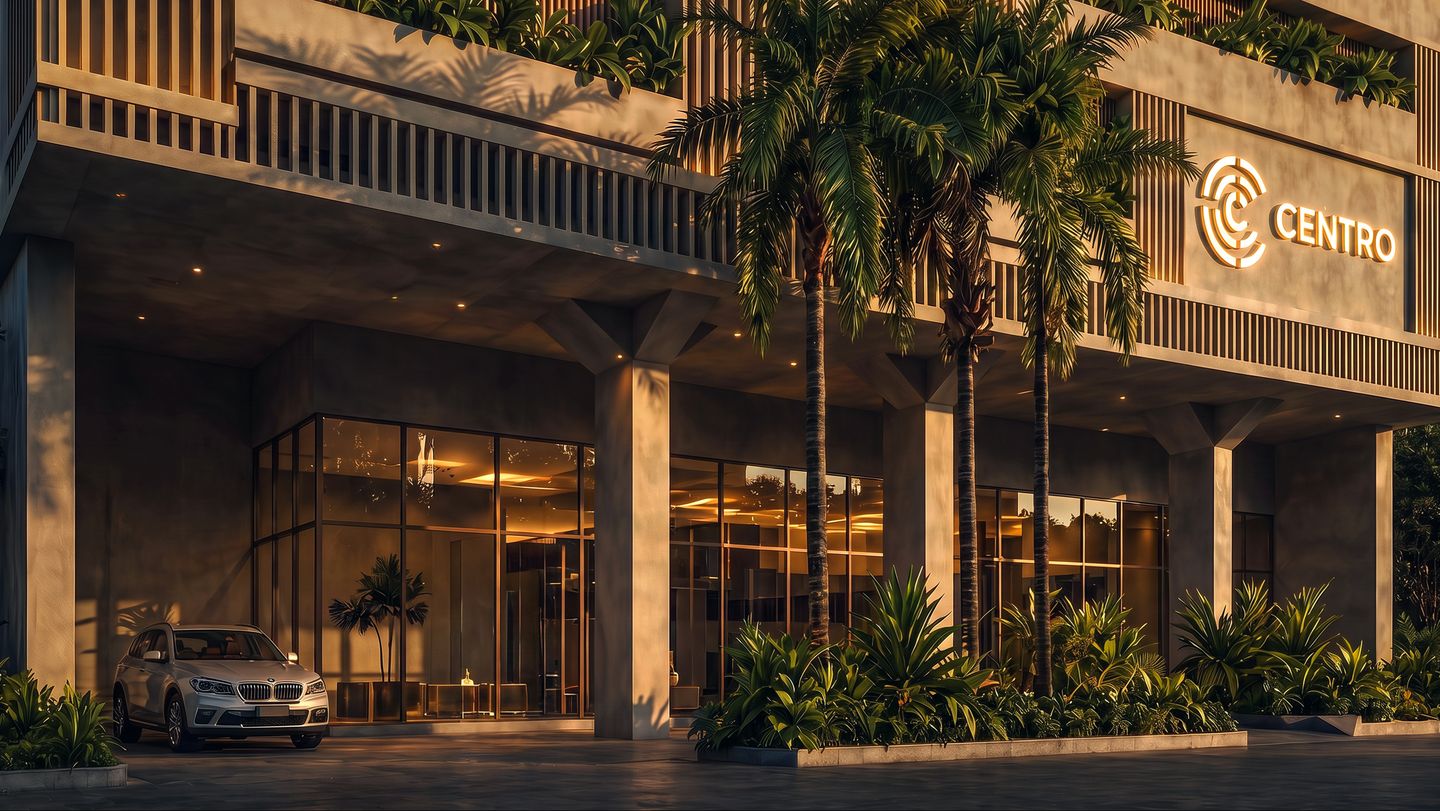
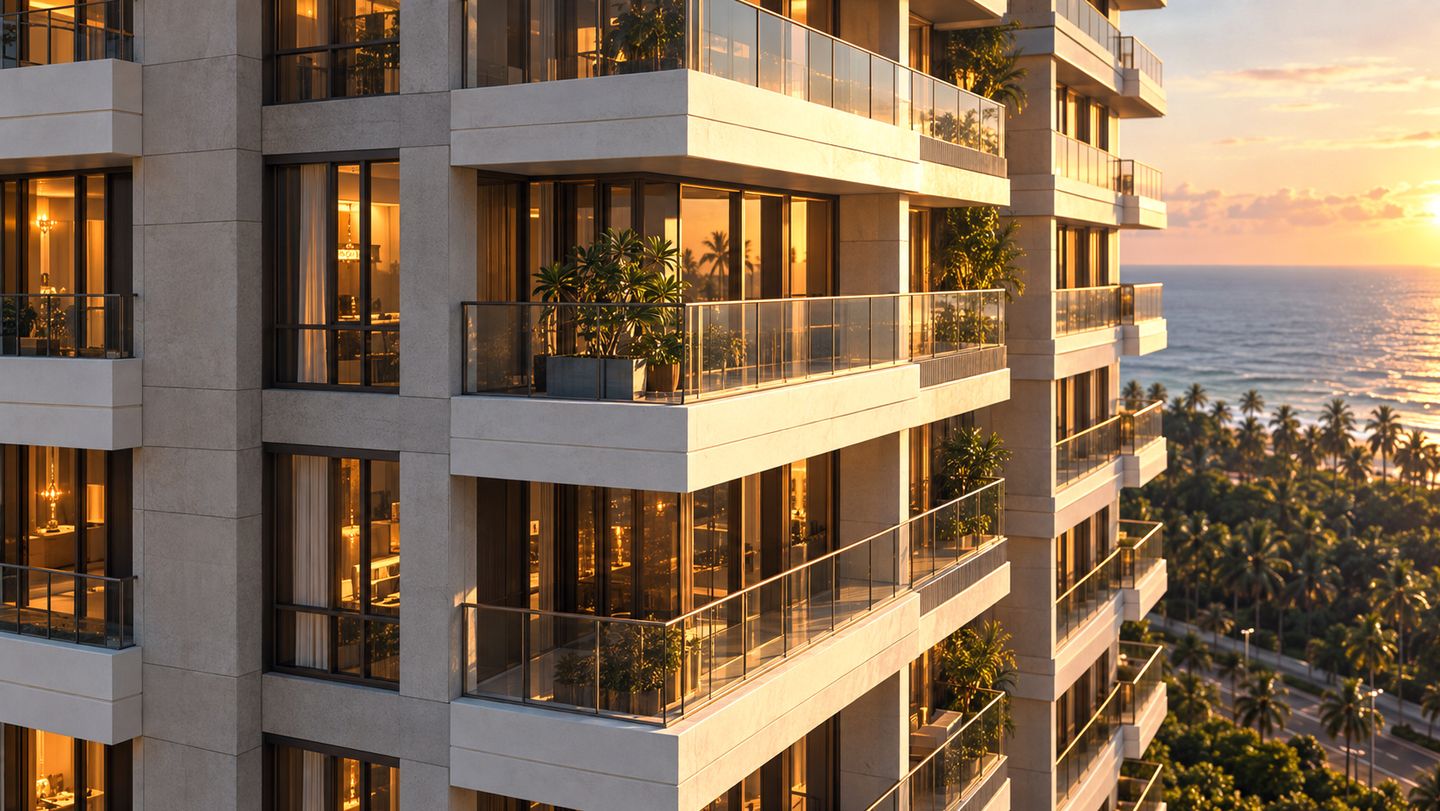
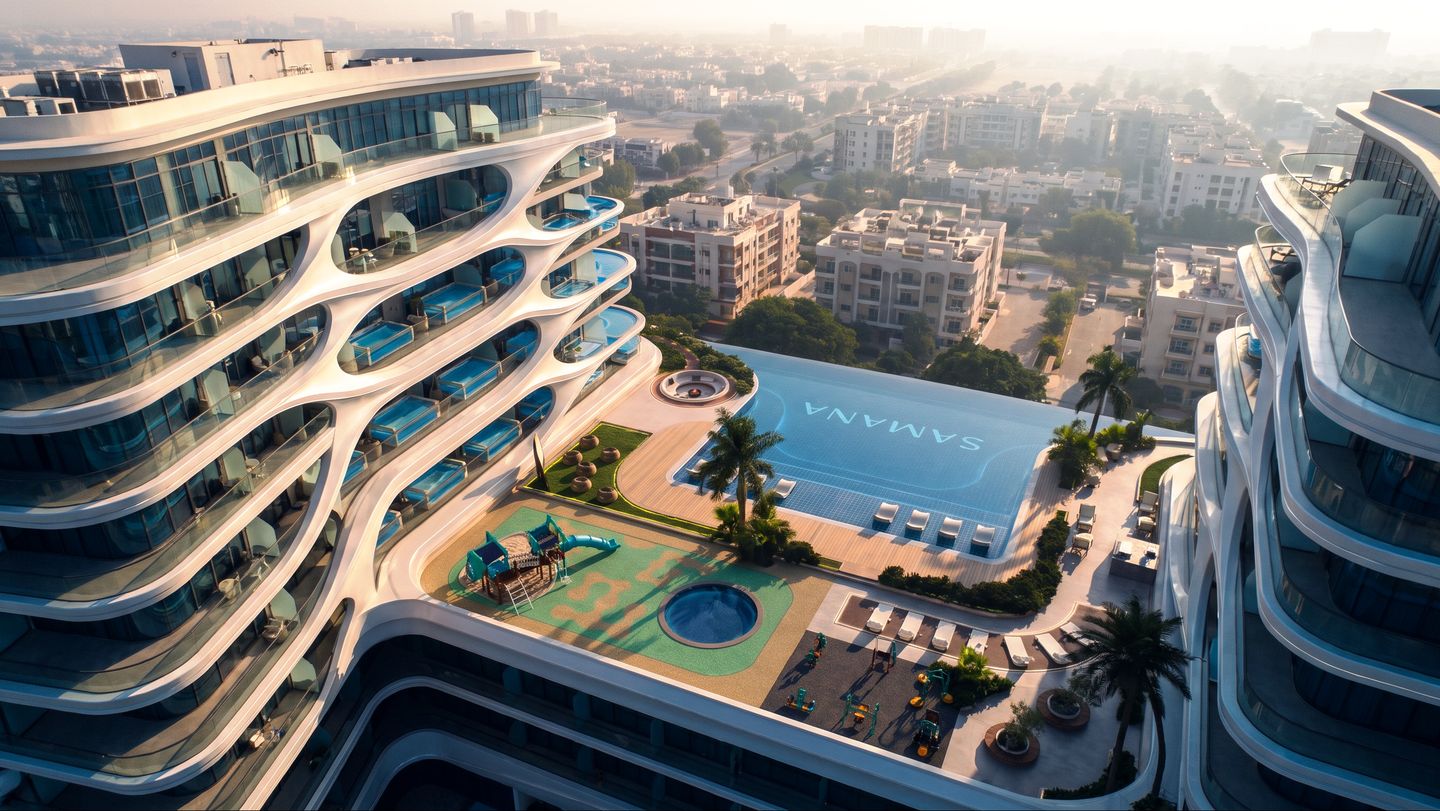
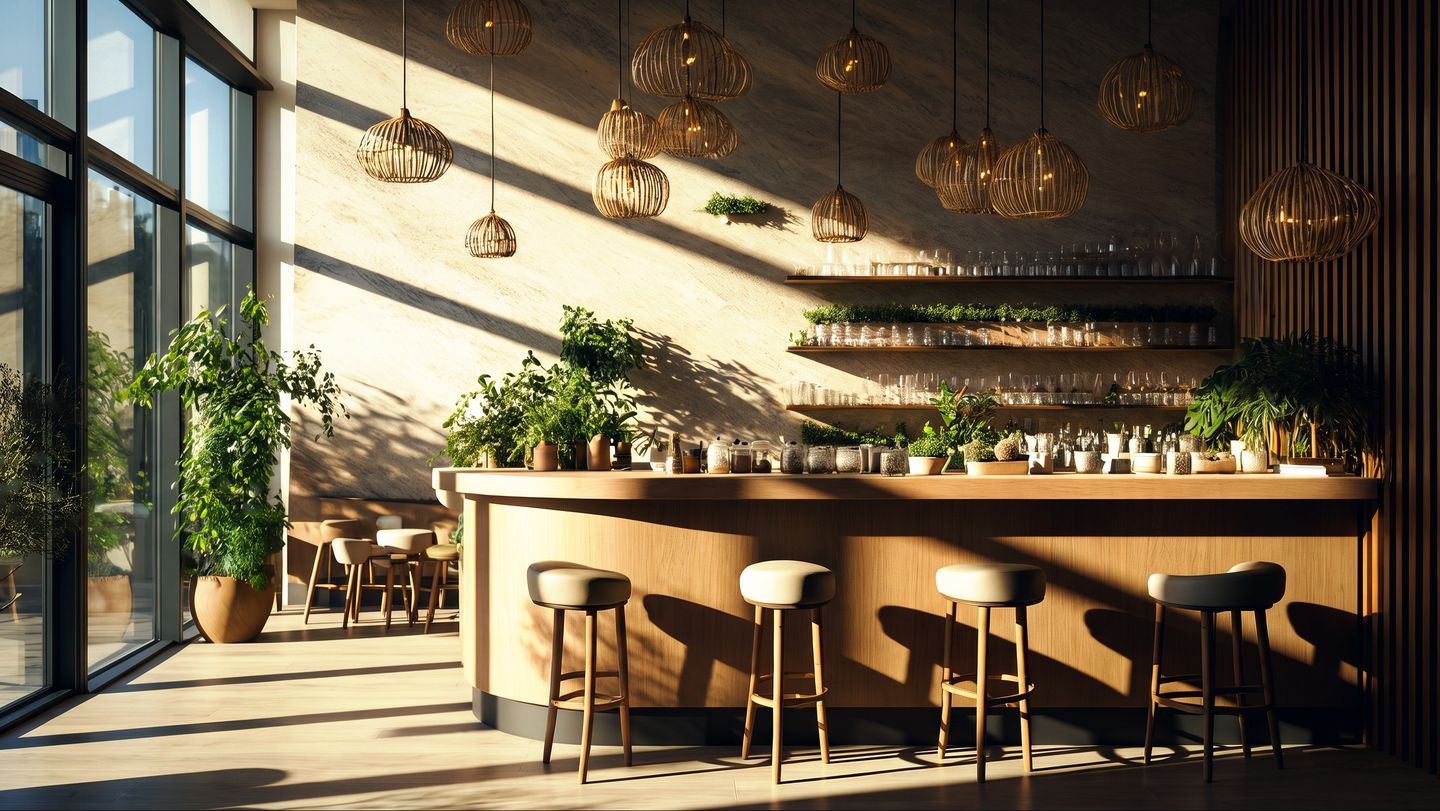
Clean frames with nobody in them. These are the ones that carry the hoarding, the brochure cover and the portal listing, where the building has to hold the image by itself. Every surface reads, nothing in the frame competes with the design, and they stay usable for as long as the design does.
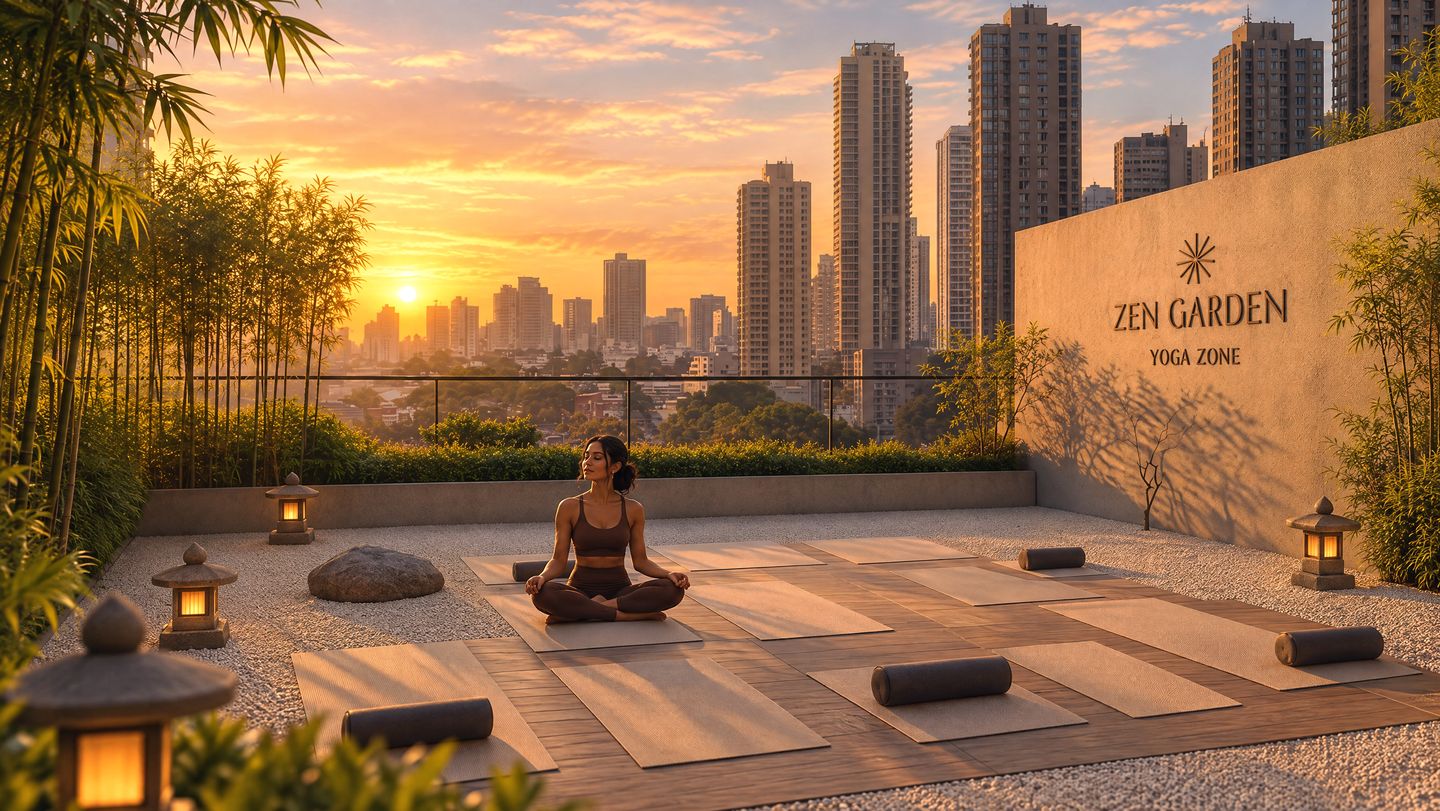
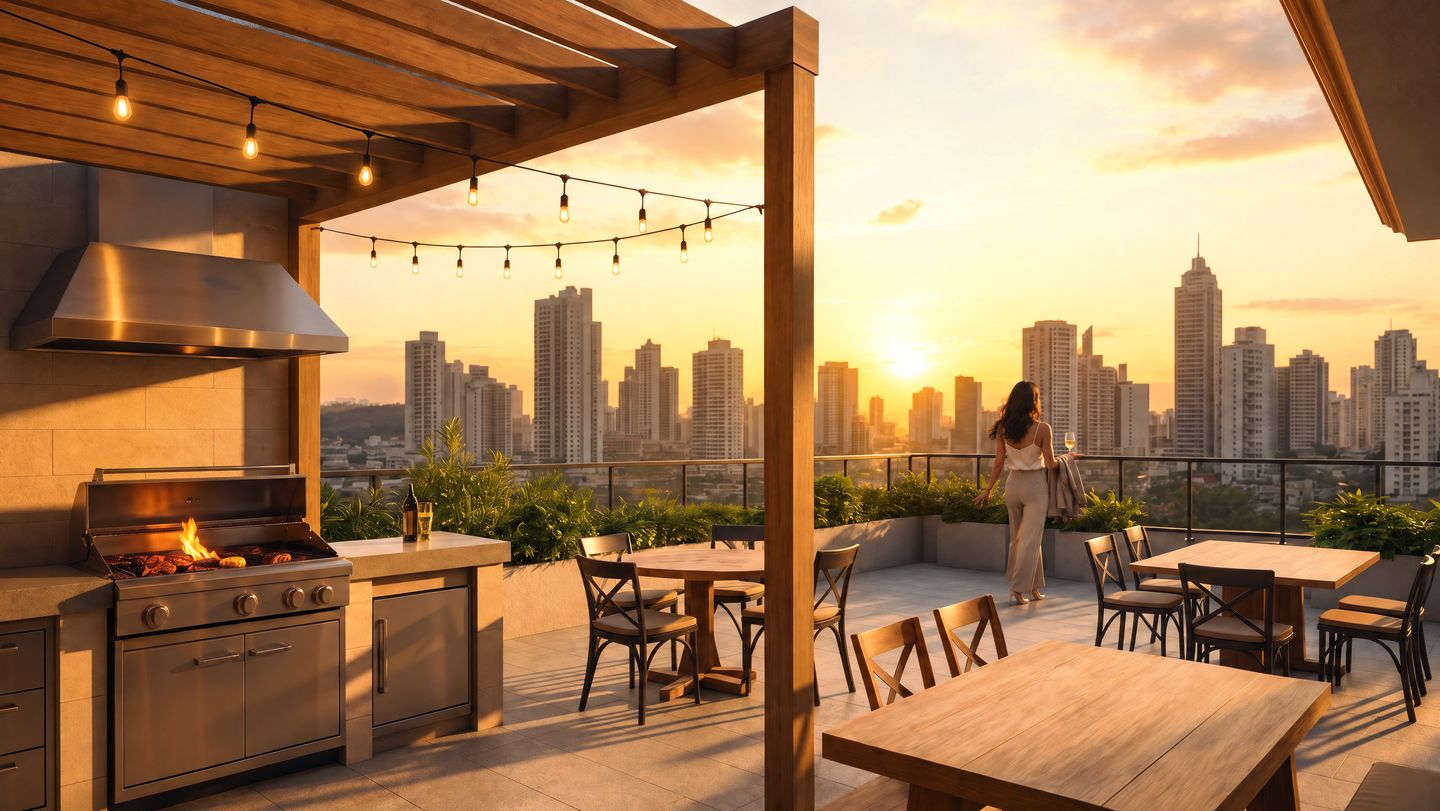
With people
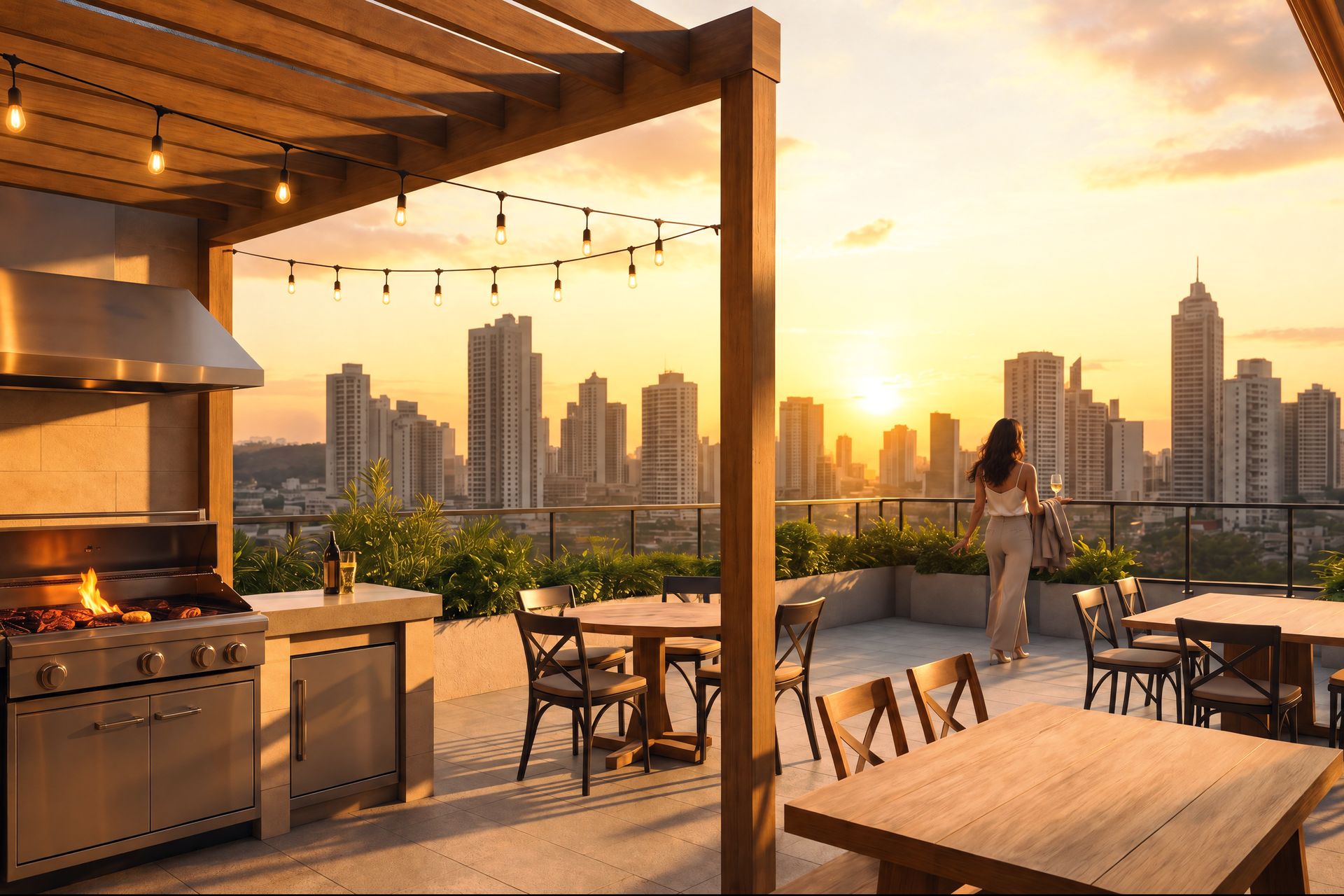
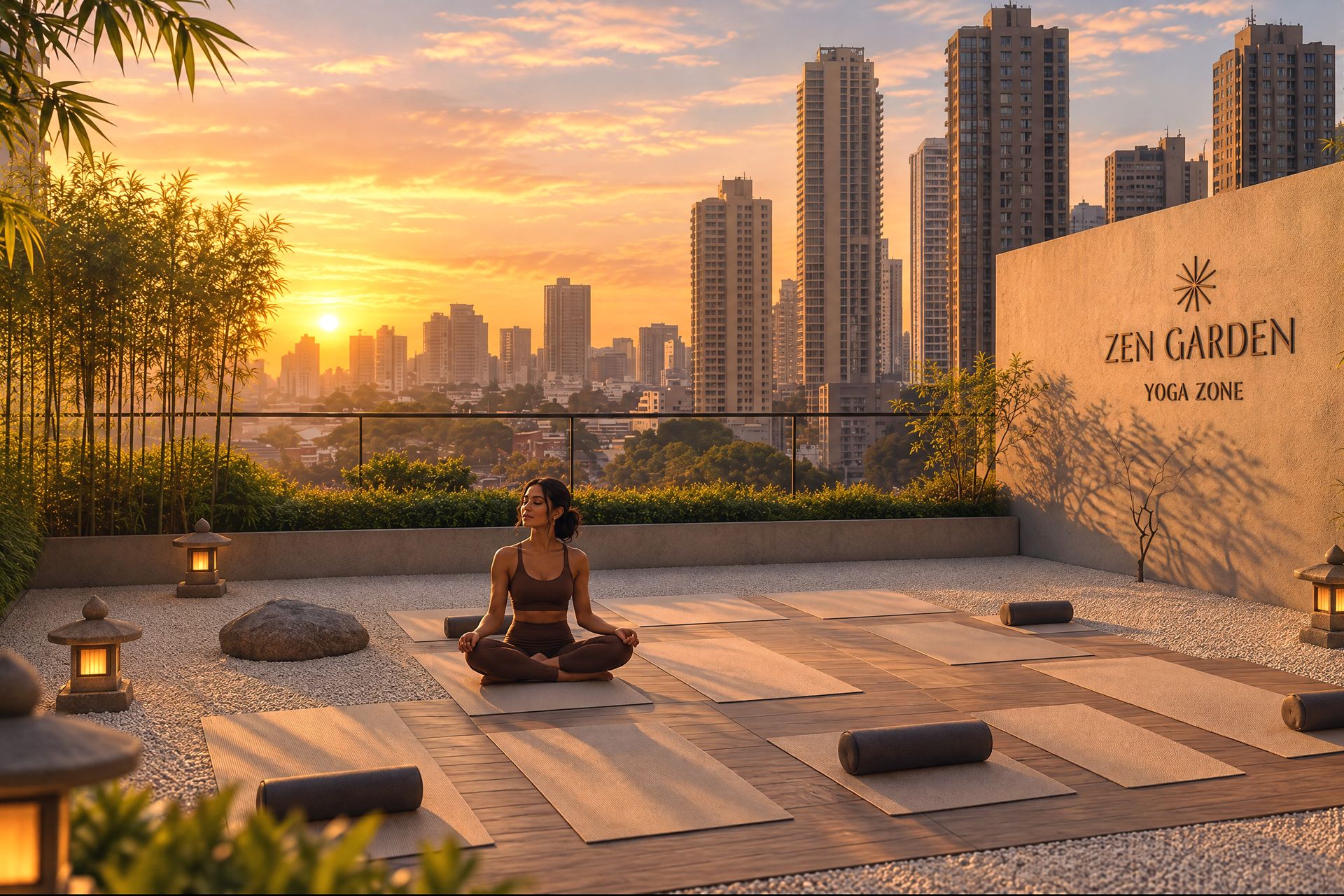
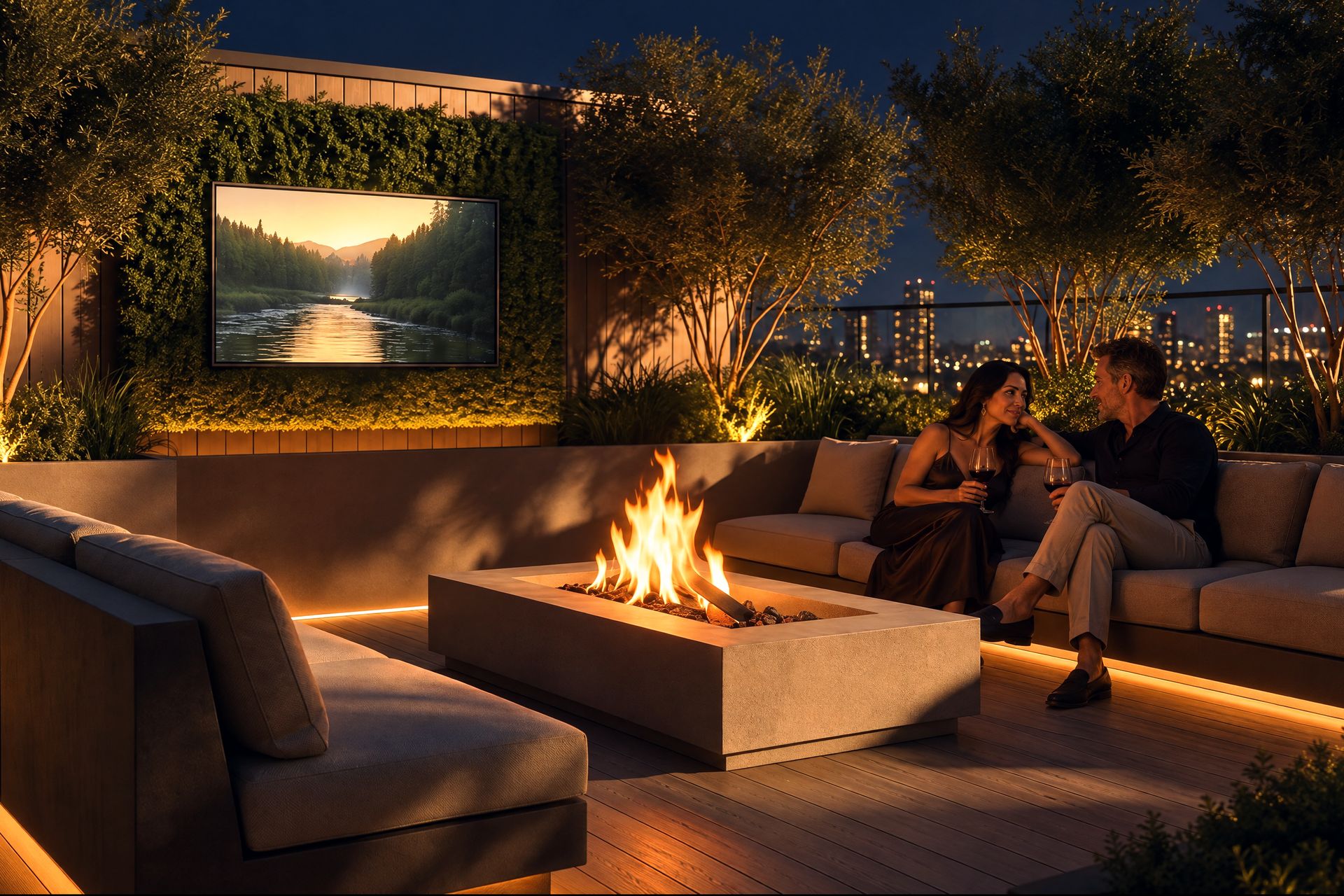
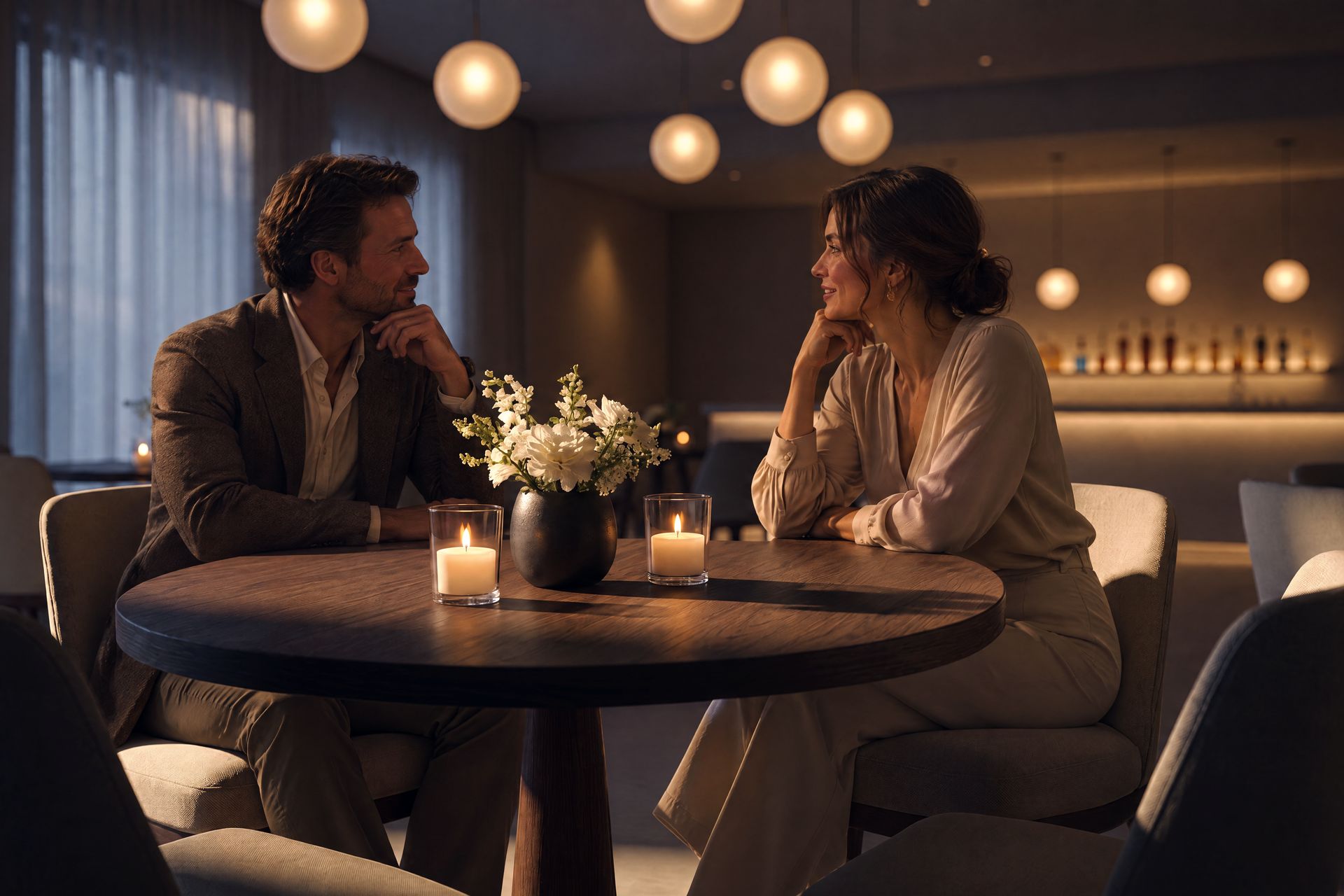
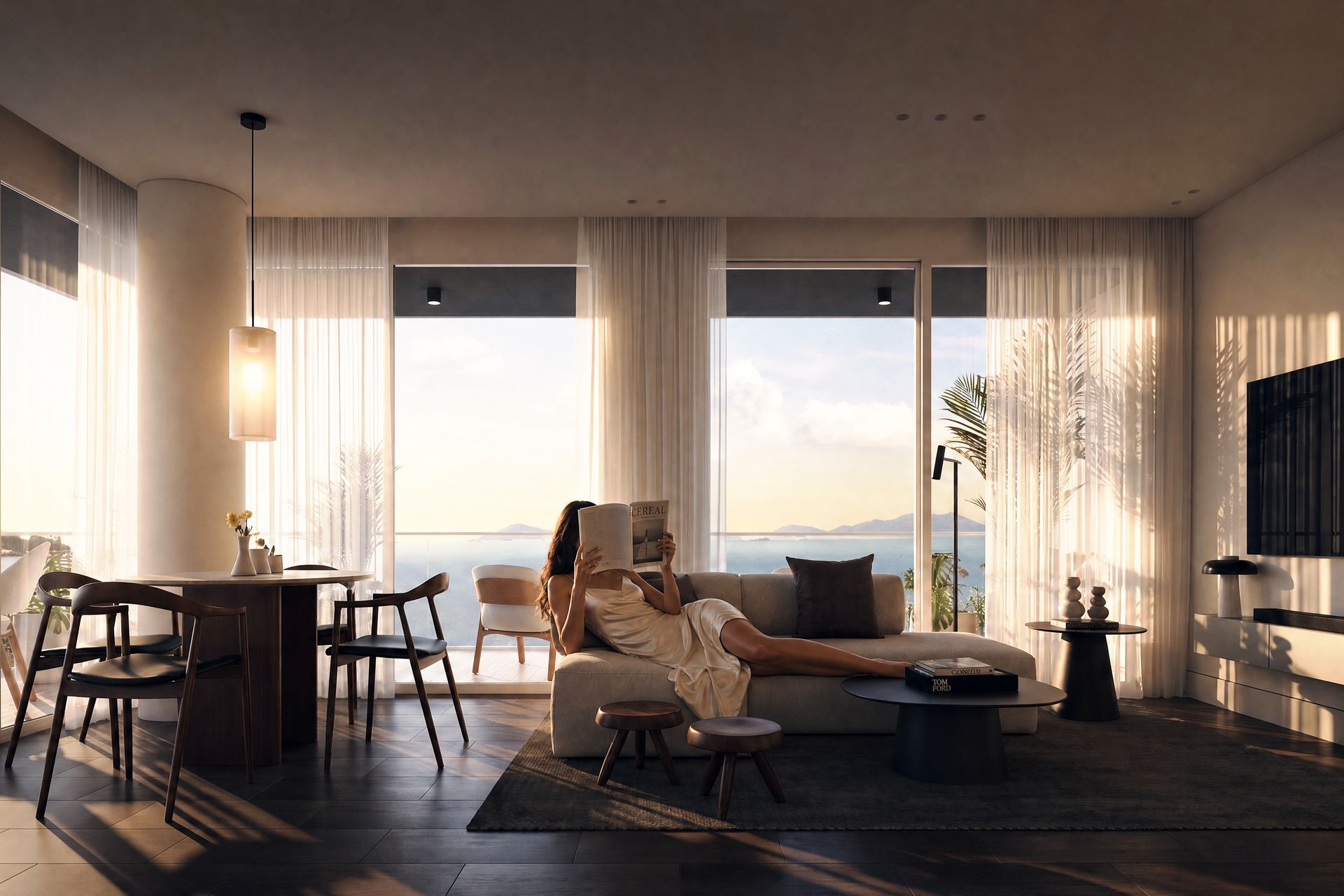
The same spaces with somebody in them. A figure gives the room a scale and an hour, and tells a buyer what the space is actually for. These are the frames that work in a feed, in an email and across a table in the sales gallery, because nobody is buying a floor area. They are buying an evening.
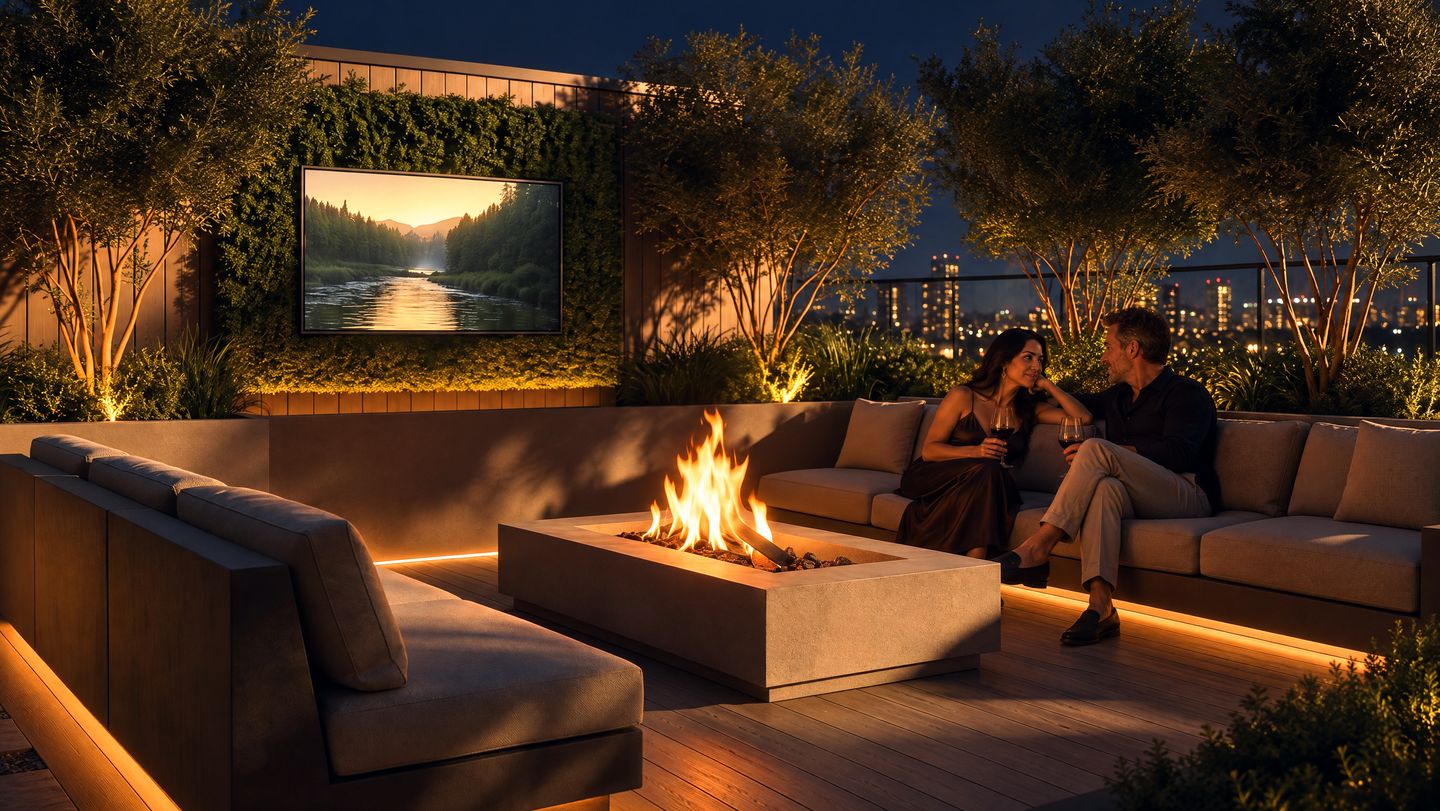
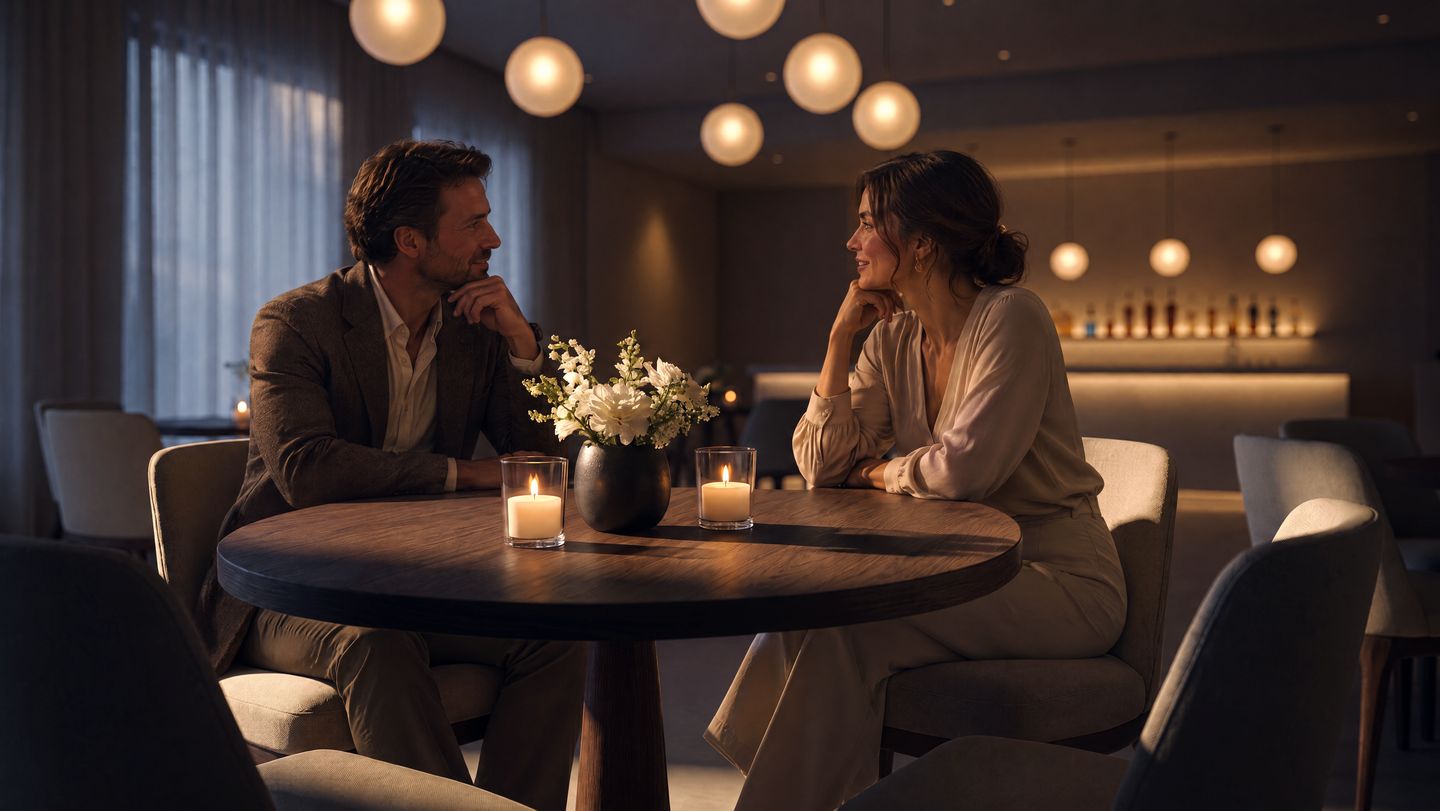
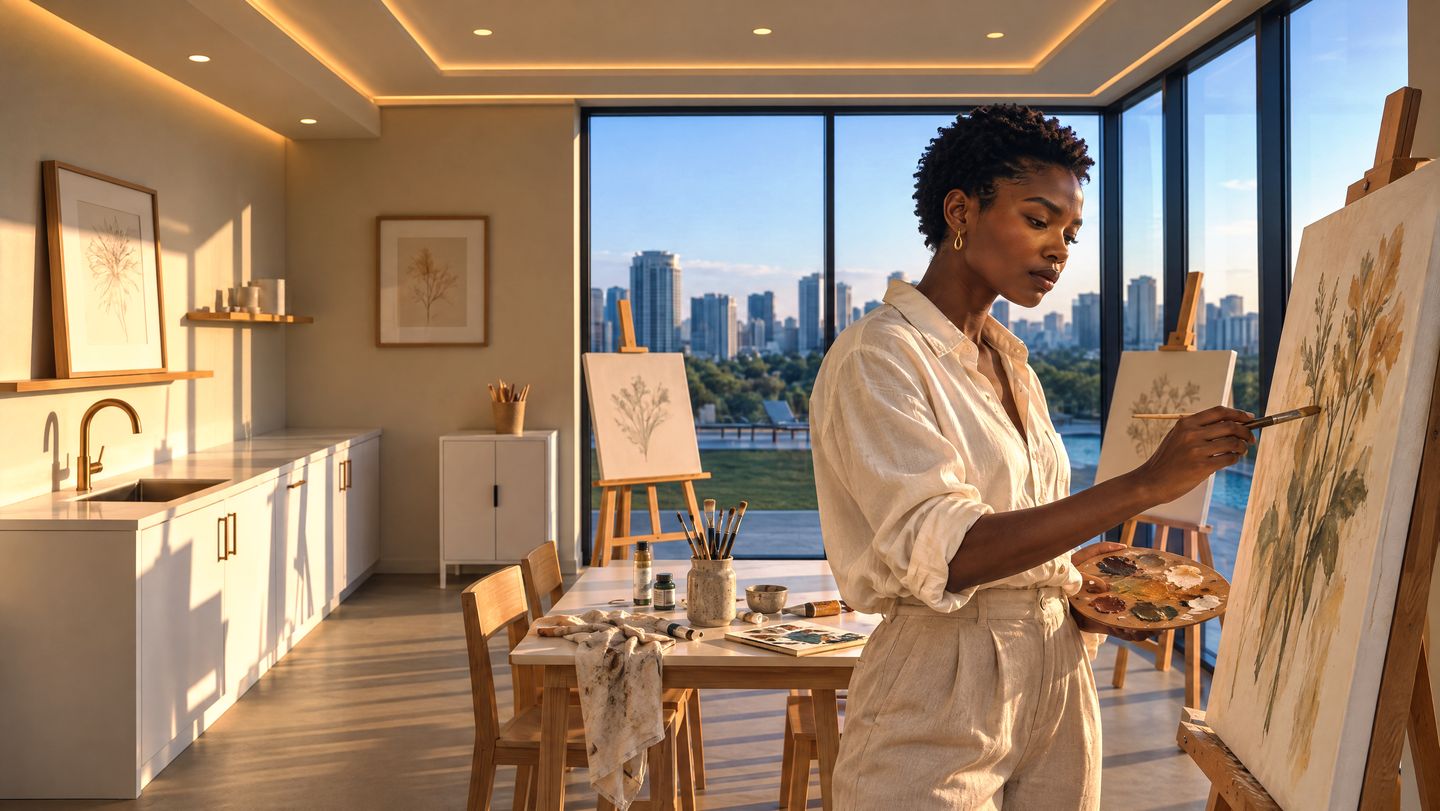
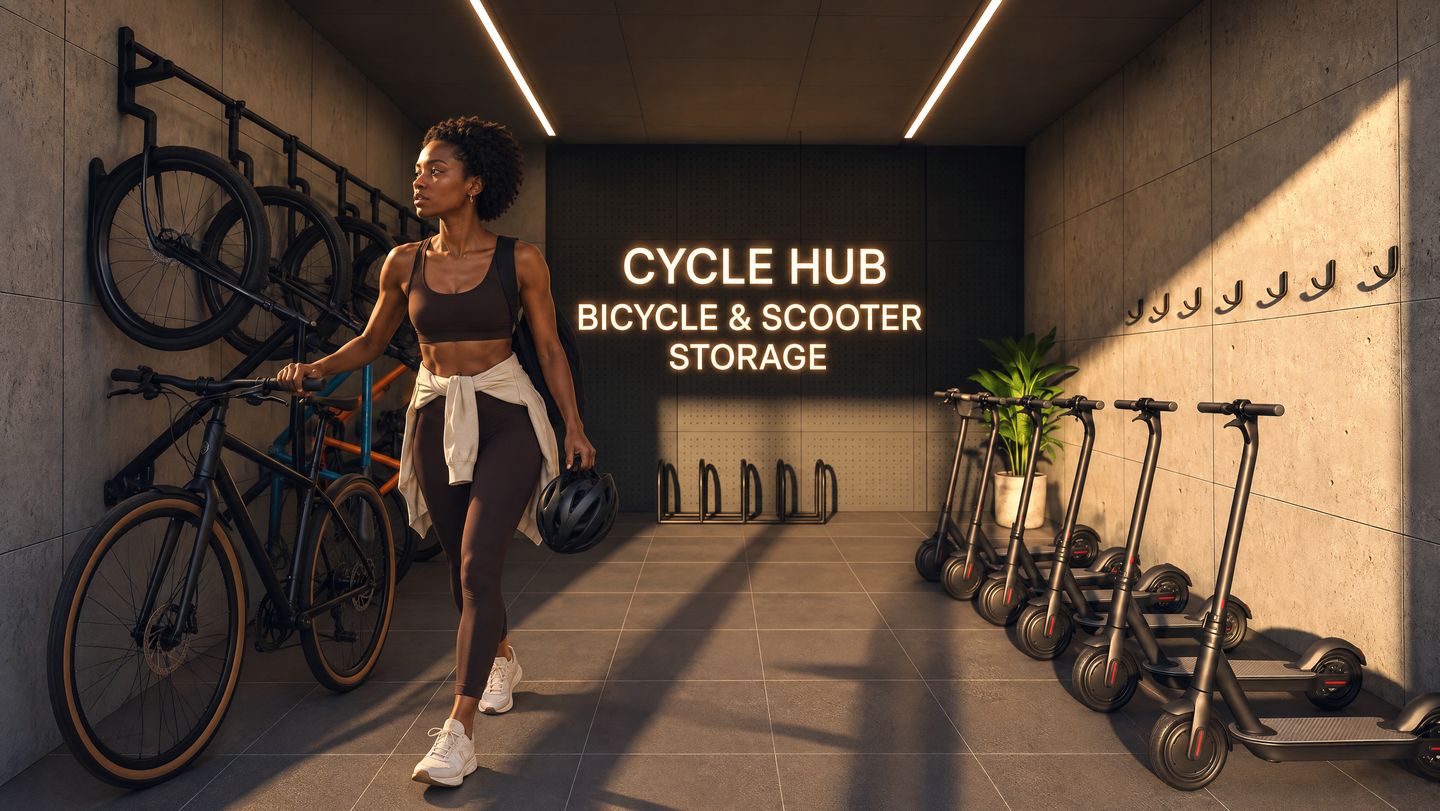
Not a render pass
Nobody rebuilds your model, re-lights a scene in 3D or re-renders anything. This is a film studio working on images that already exist, so there is no new render cycle. If what you actually need is new renders, that is the work of a rendering studio, and we are happy to work alongside yours.
Whoever built the model signed off the materials, and that sign-off is the brief. We start from the finished images and the design they fix: geometry, finishes, palette and landscaping. Then we find the frames the original set did not have time for.
| Cinematic Still | The render | |
|---|---|---|
| Light | One real hour: low sun, long shadows, lamps on at dusk. | Even light everywhere, from no particular time of day. |
| People | Residents living in the space, giving it scale and a story. | Empty rooms, or stiff stock figures added later. |
| Camera | Framed like a film shot, at eye height, with depth and a foreground. | Wide, square-on views that try to show every corner at once. |
| Realism | Texture, grain and soft focus, so it reads as a photograph. | Clean surfaces that look made by a computer. |
| Feeling | Built around the moment a buyer would want to be there. | Built to document the design, not to sell a feeling. |
| One look | One grade across the whole set, so every frame is the same place. | Each view lit on its own, so the set rarely matches. |
Before and after
Eight pairs. In every one the geometry, the finishes and the fittings are exactly where the architect put them. What changes is the camera, the hour, the depth of the frame and whether anybody is in the room.
New still images of your development, made from the renders you already own: some are your renders taken further, others are new frames found inside them.
They are made the way a director builds a frame for film, which is where the name comes from. Each one is composed around a feeling rather than a floor area.
Developers and marketing teams who need more imagery than the original render set gave them, without commissioning a new render pass.
They suit projects heading into a second phase of the campaign, a new market, or a paid social push that needs fresh creative every few weeks.
No one visits the site and nothing is photographed. We work from the approved images and the design they fix, then grade the whole set so it reads as one project.
If you want to know how a good render set is put together in the first place, our guide to architectural rendering covers it.
With the film
When we make a hero film, we study every render for light, depth and the moments a buyer would stop on, and those moments make good stills. Commissioned together, the film and the stills share one palette and one mood, so the website hero, the brochure cover and the launch film all feel like the same place.
Our cinematic films page covers the hero film, and vertical films covers the films made for social. Both are made the same way, from renders a developer already owns.
Your approval
Before production. We agree the buyer, the brand and the moods the new frames should carry, and you tell us which parts of the project deserve more attention.
Before release. You see every still, we refine them with you, and nothing is delivered until it matches your architectural intent.
Use cases
One set of stills feeds every channel a launch runs on. These are the places developers put them first.
Instagram, Facebook and LinkedIn posts and ads that look like a place, not a render, so people stop scrolling.
A hero image and gallery that sell an evening there, not a floor area.
Covers and spreads with the depth of an editorial shoot, ready for print.
Listing photos that stand out in a grid of plain renders on the big portals.
Site hoardings and outdoor ads that show buyers what the finished building will feel like.
Newsletters, broker kits and sales gallery screens that all look like one project.
Questions developers ask
They are still images of a development used for marketing before or during construction. Our Cinematic Stills are new frames made from the renders a developer already owns, composed and graded the way a film frame would be.
Yes. The approved renders are the single reference for geometry, finishes and palette. We change the framing, light and atmosphere, never the architecture.
That is the usual case. One of the sets on this page was built from panels of a single marketing board. A small source set limits how many frames are worth making, not whether the work can be done.
Anywhere you use renders now: listing portals, brochures, the project website, investor decks, sales gallery walls and social campaigns.
Yes. Cinematic Stills can be commissioned on their own, or alongside a hero film and vertical films so every asset shares one look.
Send us the set you already have. We will tell you which frames are in there.
Message us on WhatsAppWe'll be in touch within 24 hours.