When Your Renders Fall Flat: The Case for Cinematic Real Estate Video
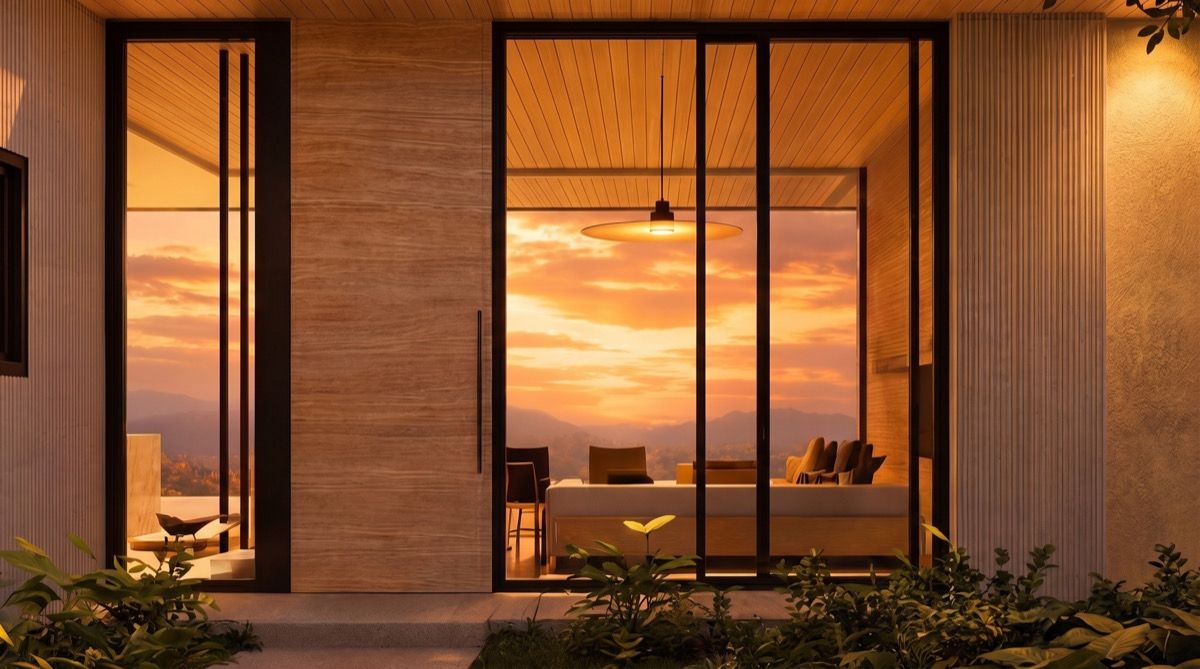 Static render
 Most realtors do not get to choose the images they market a new development with. The developer hands over a folder of architectural renderings, and those renders quietly become the whole listing: the hero shot, the portal gallery, the social post, the email blast. (When the set runs thin, Cinematic Stills can add new frames from the same renders.) They are polished, expensive, and completely still. A still image, no matter how beautiful, asks the buyer to do all of the imagining themselves. A cinematic real estate video does the imagining for them. It takes the same space and lets a buyer feel what it will be like to live there, which is the one thing that actually moves a listing nobody can walk through yet.
A render freezes one perfect second
A render is a single frozen moment, lit and styled to perfection, holding its breath. But a home is not a moment. It is an experience that moves. Light travels across a wall through the afternoon. A curtain lifts in the breeze off the water. The pool catches the last of the sun and then lets it go. None of that survives in a still frame, and that motion is exactly where the emotion lives. You can market the most beautiful living room in the world as a single image and it will still sit there, silent and airless, while the buyer keeps scrolling to the next listing.
Why cinematic real estate video converts where renders stall
The reason a cinematic real estate video outperforms a render gallery is not polish for its own sake. It is that film carries the four things a still image cannot: motion, sound, atmosphere, and the passage of time. Motion moves the eye through a space the way you would actually walk into it. Sound, whether a score underneath, the hush of a room, or distant water, does half of the emotional work before the buyer has read a single line of the listing. Atmosphere and time turn a picture of a room into a place a person can imagine coming home to. A render confirms the project is real. A film makes the buyer want it.
Buyers decide online, and they decide on feeling
By the time a buyer reaches out, they have already formed an opinion, and they formed it on a screen. The overwhelming majority of buyers now begin their search online, according to the National Association of Realtors, long before they ever speak to an agent. Your listing page, your portal photos, and your social feed are not the top of the funnel anymore. They are the deciding moment.
And people do not fall in love with square footage or a floor plan. They fall in love with a feeling: the morning light on the terrace, the quiet of the entry, the life they picture living in the space. At the price points new-construction commands, the decision is emotional first and rational second. If the marketing produces no feeling, there is nothing for the rational mind to justify.
What a cinematic real estate video actually includes
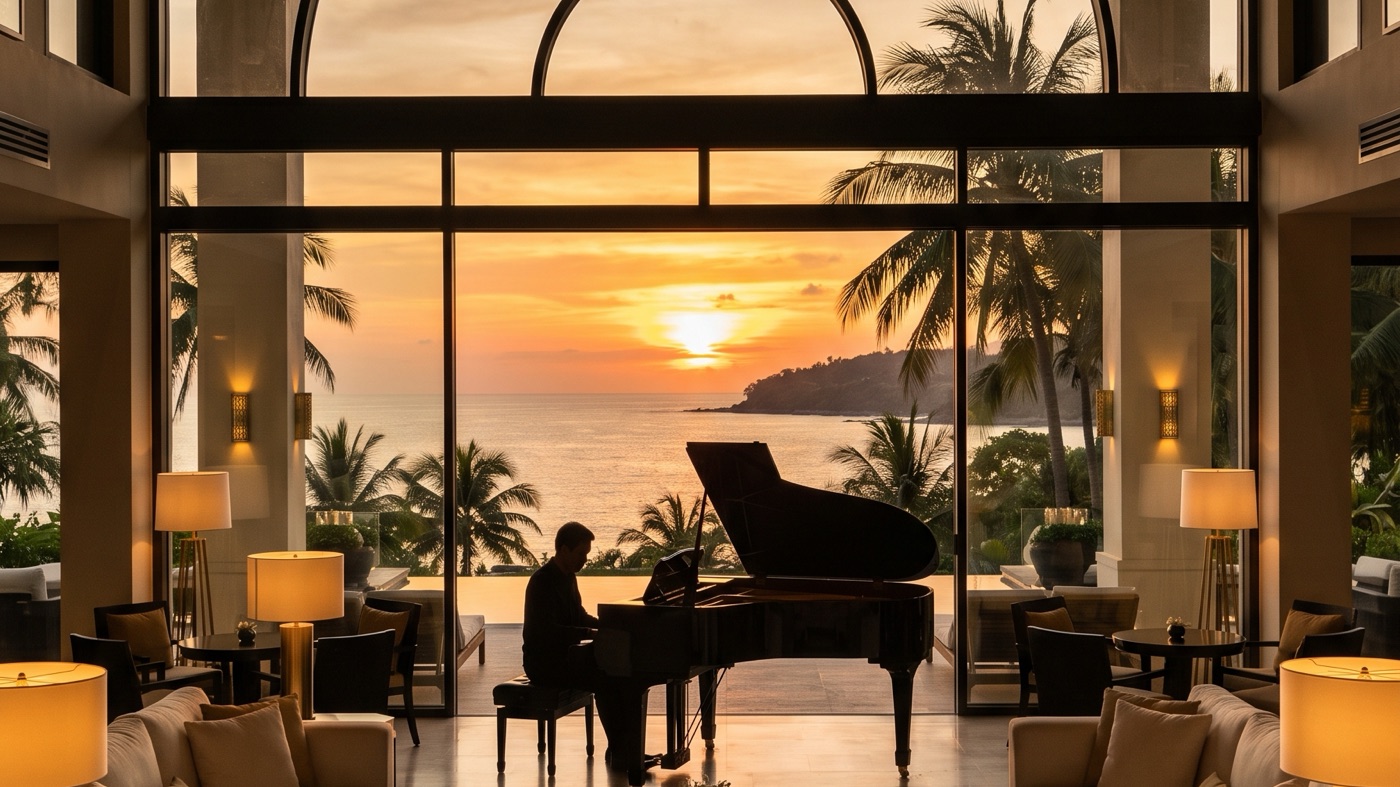
A film worth showing is not a slideshow of renders with music laid over the top. Built properly, a cinematic real estate video includes:
- Cinematic motion across each render: push-ins, slow reveals, and multiple angles that move the eye through the space.
- Colour grading that gives the footage a photographed, filmic quality instead of a flat, rendered one.
- Sound design and a licensed score, so the space carries atmosphere instead of silence, and you never risk a copyright claim on a portal or a paid ad.
- A directed edit, with pacing and rhythm chosen by a filmmaker rather than a template, so the film builds and lands.
- A hero film of roughly 60 to 90 seconds for the listing page and sales gallery, plus a set of vertical films built for social and paid ads.
You can see how these come together in our portfolio of property films.
Where realtors put the film to work
A cinematic real estate video is not one asset. It is a campaign that works everywhere a buyer meets the listing:
- The listing page and portals, as the hero that greets every visitor instead of a static gallery they scroll past.
- Social and paid ads, where vertical films stop the scroll on Instagram, TikTok, and Reels.
- The sales gallery or open house, playing on a screen so walk-in buyers feel the finished home while standing in an empty or unbuilt space.
- Buyer follow-up over email and WhatsApp, where a film gets opened and forwarded in a way a PDF of renders never does.
One production, deployed across every one of those touch points, is what a modern render-to-film workflow is built to deliver.

The film that wins you the listing
There is a second buyer in this story, and it is the seller or developer you are trying to win the listing from. When you walk into a listing presentation with a finished cinematic film of the property instead of the same render deck every other agent is showing, you are not promising better marketing, you are showing it. For a new-construction or pre-sale project, that is often the difference between being handed the inventory and watching it go to the agent who simply looked more serious. A film signals that you will market their most valuable asset like it matters.
The higher the price, the wider the gap
The more a home costs, the further a still image falls short. Branded residences alone can command price premiums of roughly 25 to 30 percent over comparable non-branded homes, according to research from Savills. A buyer paying that kind of premium expects marketing that matches it, and a static gallery rarely clears the bar. This is exactly where a cinematic real estate video earns its place: it makes the promise of the home feel real long before the keys exist.
What this looks like in practice
A developer selling off-plan needs buyers to get a real sense of the finished homes, the views and the atmosphere. That is the whole job. The film lets a buyer stand inside a home that does not physically exist yet, and want it. For more on why still imagery stalls at exactly this moment, read our piece on why renders don't sell an unbuilt home.
You already have the raw material
Here is the part most agents assume is out of reach. You do not need a film crew, a finished building, or a site visit to have any of this. The renders already produced for the project are the raw material. A render-to-film process takes those existing renders, professional photographs, or footage of a finished build and brings them to life, on a timeline that fits a live listing rather than holding it up.
The bottom line
Renders show a buyer what a home will look like. A cinematic real estate video makes them feel what it will be like to live there. For a listing nobody can tour yet, feeling the home is what moves it. The agents winning the best new-construction inventory, and selling it fastest, are not the ones with better renders. They are the ones showing films.
Questions developers ask
What is a cinematic real estate video?
It is a directed film of a property, with camera motion, a colour grade, sound design and a licensed score, so a buyer feels the space instead of scrolling past it. Ours are made from a development's existing architectural renders, so a project can have one before construction starts.
How is it different from a render slideshow or a flythrough?
A slideshow puts music under still images, and a flythrough moves a camera through a 3D model. A cinematic film is edited by a filmmaker around one buyer and one feeling, and the order of the rooms and the pacing follow from that.
Do we need to film anything or visit the site?
No. Nobody films on site and nobody needs to visit. We work from the renders, photographs or animation the project already has.
What do we receive?
A hero film for the listing page, the portals and the sales gallery, plus vertical films for social and paid ads. All of it comes from one production, so the campaign looks like one world.
Who approves the film before it is released?
You do, twice. At Vision Alignment we agree who the buyer is and how the film should feel. At the Director's Cut Review you see the finished film, we refine it together, and nothing is published until it matches your architectural intent. The approved renders stay the single visual reference throughout.
Turn your listing's renders into a film
We take the renders you already have and turn them into a cinematic property film, built to make buyers feel the space before it is built.
Inquire